
According to the plans of Federal Minister of Economic Affairs Robert Habeck, as of 2024, every newly installed heating system should include a renewable energy component of at least 65 percent. Gas and oil heating systems will no longer be allowed. However, as of now, their installation is still permitted. How easy is it to get a new boiler in 2023?
Sören Timm: Gas heating systems are currently unavailable. It´s also becoming challenging to source larger systems for apartment buildings or public facilities. Manufacturers have largely shifted production away from large boilers, focusing instead on heat pumps and other renewable energy systems. The waiting time for large oil-condensing boiler can easily stretch to a year, by which point it may be too late to install.
Should property owners and housing associations instead consider renewable energy systems like heat pumps or photovoltaics?
Sören Timm: Any type of new heating systems, as well as spare parts, is currently difficult to obtain – whether renewable or traditional. Although heat pumps are often available, accessories like buffer tanks are in short supply. This means heat pumps can be installed but not used. Moreover, the site must be checked to ensure that there is enough electricity available for heat pumps. Recently, larger buildings have encountered problems because heat pumps couldn´t be activated due to insufficient grid capacity. Another issue is that many heating companies haven´t yet specialized in the repair and maintenance of heat pumps, which are much more complex than traditional boilers. This means that, in the event of a technical fault, finding a technician can perform timely repairs is challenging.
What can people do if they face long waiting times for a new heating system?
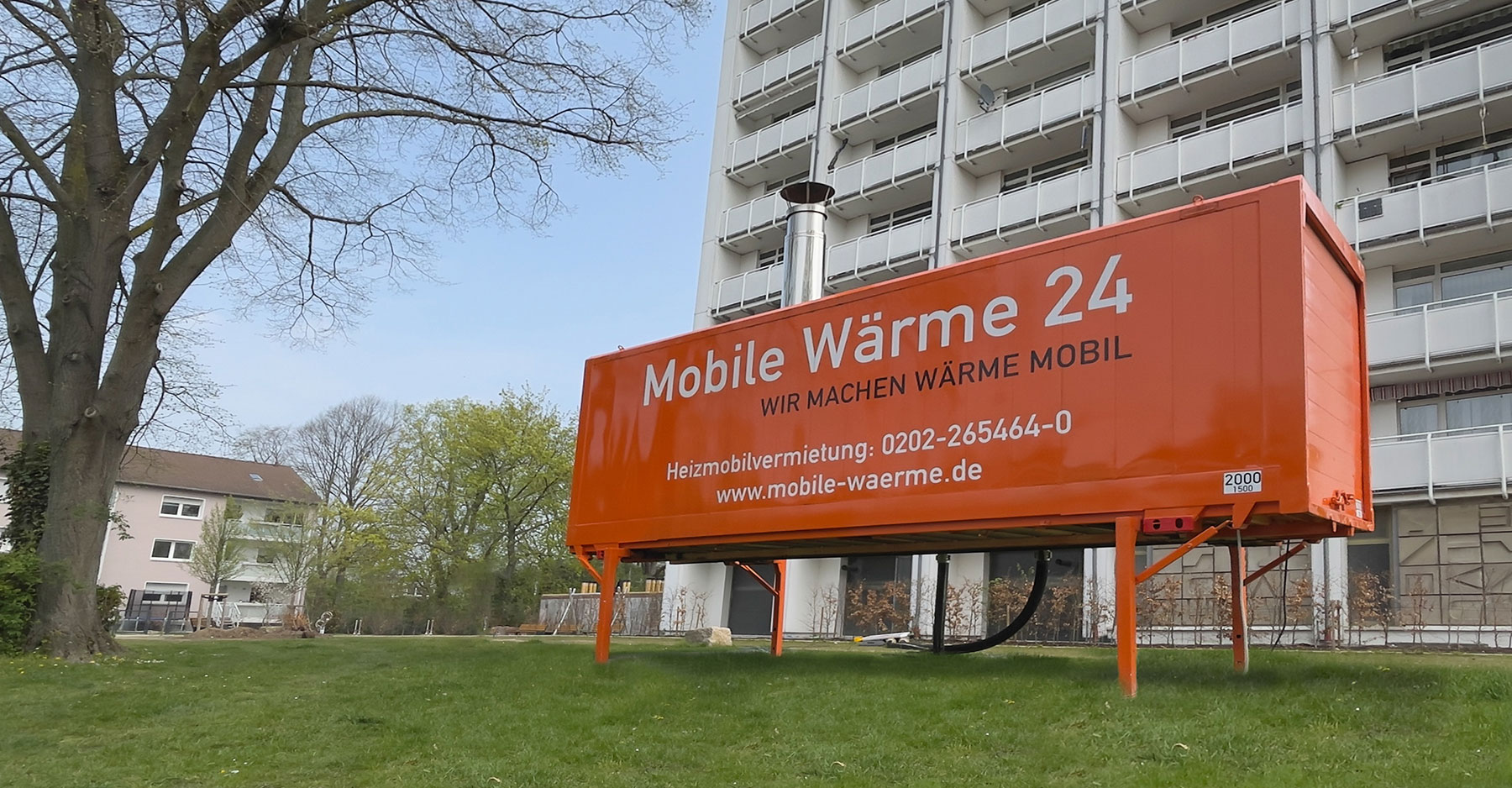
Sören Timm: If the boiler breaks down now, and it only affects heating but not hot water, consumers might get lucky: they could potentially get through the summer without heating. By the next winter, new heating systems might be more readily available. However, it the hot water supply is also affected, the property owner or manager will need to resort to emergency heating. We assist those affected by efficiently bridging heating outages and waiting times with a wide range of mobile heating units, including setups, installation, monitoring, 24/7 emergency service, maintenance, and fuel supply.
How do you see the heating market evolving if the energy transition in the heating sector proceeds as the current legislation suggests?
Sören Timm: Demand for condensing boilers will likely drop to zero next year because they will no longer be allowed to be installed. In larger buildings, meeting heating needs with just heat pumps is difficult, so I anticipate a significant rise in demand for hybrid heating systems. Given the current imbalance in the market for renewable energy systems, components, and skilled workers, I would say that unless the situation improves, mobile heating solutions will play a critical role in the energy transition within the heating sector.
Does this mean that the proposed legislation would be unworkable without mobile heating units?
Sören Timm: Correct. The transformation to renewable energy heating systems cannot be achieved without the mobile heating market for the following reason: the ban on gas and oil heating, combined with the gas shortage due to the Ukraine conflict, means we are increasingly reliant on heat pumps and other renewable energy systems. However, we face material shortage, a lack of skilled workers, and questions about the power grid. On the one hand, we can no longer rely on fossil fuels for heating, but on the other hand, we are not yet able to implement renewable energy heating systems on a wide scale.
Renewable energy heating systems are subsidized by the government. Suppose someone´s gas heating system breaks down, and they want to invest in a government-subsidized system, but due to waiting times, they need to bridge the gap with an emergency heating unit. Would they have to bear the costs themselves?
Sören Timm: Fortunately, no. Since this year, rental heating units are also eligible for subsidies in the event of a heating system breakdown, even it these units run on fossil fuels.
So, in a sense, rental heating units would complement the proposed law. What does this mean for the mobile heating market?
Sören Timm: Exactly. At Mobile Wärme 24, we are preparing for increased demand for mobile heating units. But it will also become more challenging for us to source materials for fossil fuel-operated heating units. The mobile heating market will also need to focus on developing new types of mobile heating systems, a process we have already begun. In the future, we might rent out not just fuel and electricity-powered mobile heaters but also mobile heat pumps or pellet heating systems.
